
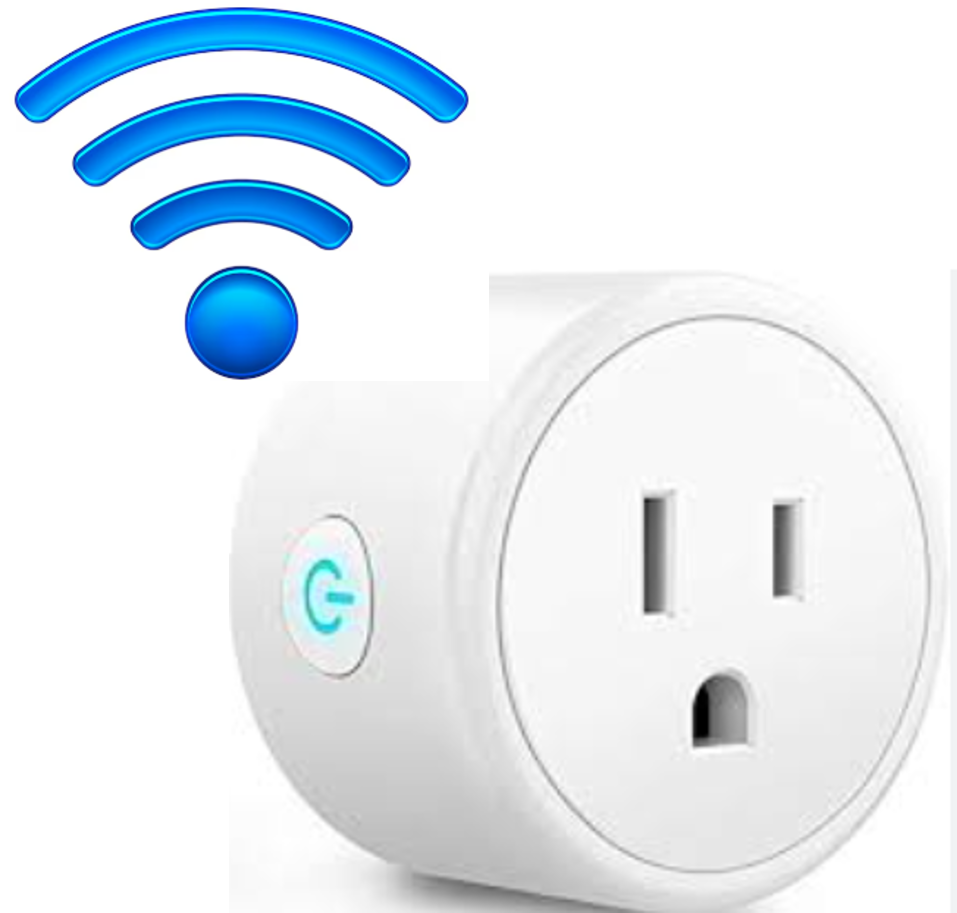
Current Scenario of Smart Home Adoption in India

Current Scenario of Smart Home Adoption in India The smart home market is growing fast. In 2023, the smart portion of home/home-appliance devices was valued at approx ₹8,000 crore, and it is projected to reach ₹36,000 crore by 2028. Penetration of smart home devices is still modest but rising: around 8-10% in 2023, expected to become about 12-15% by 2025, and up to 25-28% by 2028. Among smart-home categories, security devices (cameras, smart locks etc.) are leading. Also lighting, smart switches/plugs and small appliances are picking up. Voice control is a big enabler: many users say voice makes it easier & more intuitive to operate smart devices. Key growth drivers: rising broadband & smartphone penetration, falling cost of devices, better consumer awareness & interest, desire for convenience, energy savings, and security. So India is in a transition phase: smart homes are moving from novelty to more mainstream, especially in urban areas, with increasing affordability and more options.

What is a Smart Home

A smart home is equipped with internet-connected devices that allow the home's security features, appliances, climate controls, and more to be operated remotely via a mobile device. They can be set up using either hardwired or wireless systems.

Outdoor security cameras, video doorbells, smart locks, smart entertainment speakers, connected thermostats, pet cameras, and smart thermostats are among the many internet-connected home products now readily available to consumers.

What is Home Automation

Home automation refers to using technology to automate certain tasks or functions within a home.
It typically centers around controlling individual devices with one central platform or control panel, such as lights, thermostats, security, and entertainment systems.
It is an umbrella term that also encompasses the idea of smart homes, an expansive concept on its own.
Home automation enables users to schedule or remotely control specific actions for increased convenience and efficiency.

Smart Home and Home automation

Although some people use the terms “smart home” and “home automation” interchangeably, they’re not exactly the same thing. .

Smart homes let users control devices and functions (e.g. heating, security, lighting) remotely or from a centralised control.

Home automation refers to preset actions that don’t require intervention. Home automation can be part of a smart home or a standalone feature.

Types of Home Automationion?

There are two types of home automation for smart homes.
(i)Full Home Automation (integrated/wired)
(ii)Retrofit Home Automation (wireless/add-on)
Choosing between full home automation and a retrofit approach depends on the home's age, budget, renovation plans, technical preferences, and desired control/flexibility. Both solutions enable smart control of lighting, appliances, security, and comfort, but differ in installation methods, scalability, and cost.

How to Proceed: Full Automation Devices?

Plan early during construction or major renovation
Consult with systems integrators to choose the right standard (e.g., KNX, Loxone, Control4).
Create a wiring diagram for all devices (lighting, blinds, locks, climate).
Install necessary conduits/cables and central controllers .
Professional configuration is needed for integrating all controls and interfaces.

How to Proceed: Retrofit?

Prioritize areas/devices to automate (lighting, switches, thermostats, security).
Select compatible devices/apps—look for standards support (Matter, Zigbee, Z-Wave), or go ecosystem-based (Google Home, Amazon Alexa).
Begin with a hub (optional) and a few devices; expand as comfort and budget allow.
Most installations are DIY, but certified electricians may be needed for smart switch modules.
Gradually add more automation as desired—these systems are highly scalable and budget-friendly.

Final Recommendation- Full automation or Retrofit

Retrofit automation is generally best for most existing homes due to easy installation, incrementality, and cost, especially if deep renovation isn't planned.

Full home automation is ideal for new builds or complete remodels where maximum integration, reliability, and aesthetics are required, and up-front investment is possible.

Regardless of the method, start with a clear plan (list needed automations, research standards), and consider the scalability and ecosystem compatibility of the systems/devices being selected.